Amelline: A Modern Calligraphy Font for Creative Projects
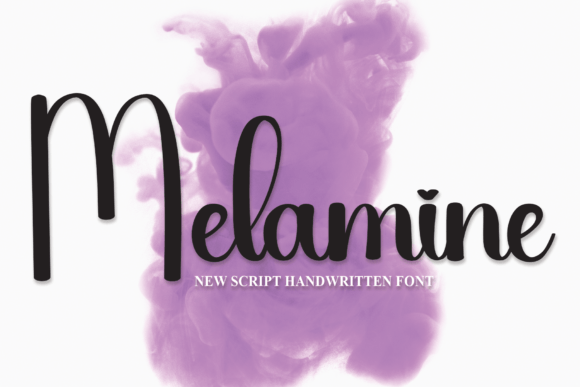
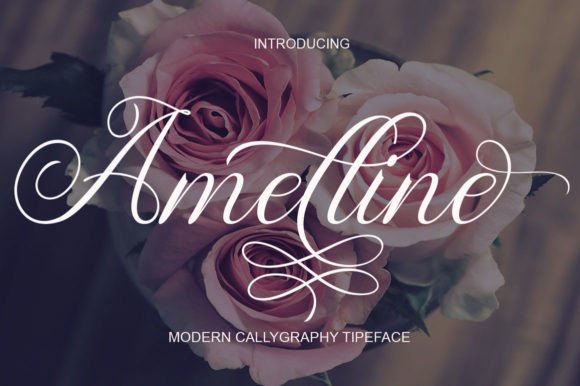
Amelline is a modern calligraphy font that blends the elegance of handwriting with a contemporary design. Its natural, flowing style makes it ideal for a wide range of creative applications. Whether you're designing a logo, crafting wedding invitations, or creating a custom t-shirt, Amelline offers a unique and expressive typographic solution.
What Is Amelline?
Amelline is a handwritten-style font that mimics the fluidity of calligraphy while maintaining a clean and modern aesthetic. Unlike traditional serif or sans-serif fonts, Amelline incorporates swashes and flourishes that give it a more organic feel. This font is particularly suited for projects that require a personal, artistic touch without sacrificing readability.
The font is PUA (Private Unicode Area) encoded, which means users can access all glyphs and swashes directly without needing special software. This feature enhances its usability for designers who want to experiment with different stylistic elements.
Why Choose Amelline?
There are several reasons why someone might choose Amelline over other fonts. First, its natural handwriting style adds a human element to any design, making it ideal for projects that aim to convey warmth or authenticity. Second, its versatility allows it to be used in both digital and print formats, from headings and logos to labels and posters.
For those working on creative projects such as weddings, branding, or personal stationery, Amelline provides an elegant alternative to more rigid typefaces. It also appeals to designers looking for a font that balances creativity with functionality.
Benefits of Using Amelline
One of the main benefits of Amelline is its ability to add visual interest to text without overwhelming the reader. The font’s swashes and flourishes create a sense of movement, making it suitable for headlines, titles, and decorative elements. Additionally, its modern calligraphy style ensures that it remains legible even at smaller sizes.
Another advantage is its ease of use. Because it is PUA encoded, users can access all of its glyphs and variations without additional steps. This simplifies the design process and allows for greater flexibility when customizing text.
Considerations and Tradeoffs
While Amelline offers many advantages, it may not be the best choice for every project. Its script-like appearance can make it less suitable for body text, where clarity and consistency are crucial. In such cases, a more traditional font may be preferable.
Additionally, the font’s unique style may not align with all brand identities. For example, a corporate or highly structured design may benefit from a more formal typeface. Designers should consider the tone and purpose of their work before selecting Amelline.
Situations Where Amelline Excels
Amelline is particularly well-suited for projects that emphasize creativity, personality, and artistry. It works well for wedding invitations, where a personalized touch is often desired. It also shines in logo designs that aim to convey a sense of elegance or individuality.
For print materials such as business cards, brochures, or packaging, Amelline can add a distinctive flair that sets a design apart. It is also a popular choice for social media graphics, where visual appeal is key.
When Alternatives May Be Better
In some cases, alternatives to Amelline may be more appropriate. For instance, if a project requires a more neutral or professional look, a sans-serif or serif font could be a better fit. Similarly, for large blocks of text, a font with a more consistent structure may be easier to read.
Designers should also consider the target audience. If the intended readership prefers a more straightforward or traditional style, Amelline may not be the best option. Testing the font in different contexts can help determine its effectiveness.
Practical Decision-Making Insights
When deciding whether to use Amelline, consider the following factors: the purpose of the design, the audience, and the overall visual theme. If the goal is to create something visually striking and expressive, Amelline is a strong candidate. However, if simplicity and clarity are priorities, other fonts may be more suitable.
It’s also helpful to explore how Amelline looks in different sizes and formats. Testing the font in real-world scenarios can provide valuable insights into its performance and suitability for specific tasks.
Conclusion
Amelline is a versatile and stylish calligraphy font that offers a modern take on handwritten typography. Its natural flow and elegant design make it ideal for creative projects that require a personal touch. However, its suitability depends on the specific needs of the design and the preferences of the audience.
By understanding the strengths and limitations of Amelline, designers can make informed decisions about its use. Whether it’s for a wedding invitation, a logo, or a custom label, Amelline provides a unique and expressive option for those seeking to add a touch of artistry to their work.