Child Pencila: A Handwritten Font with Heart
Child Pencila is a charming handwritten font that brings a sense of warmth and personality to any design. Its natural, slightly irregular strokes give it an authentic feel, making it perfect for projects that need a personal touch. Whether you're designing a logo, creating social media graphics, or working on a print project, Child Pencila adds a unique flair that stands out.
This font isn't just cute—it's versatile. Its friendly style works well in both digital and print formats, making it a go-to choice for designers, marketers, and small business owners looking to add a human element to their work. The font’s soft curves and playful details make it ideal for branding, editorial design, and packaging, where a more approachable look is needed.
What Makes Child Pencila Unique?
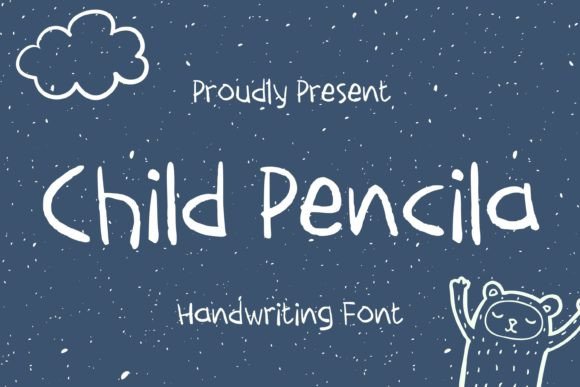
Child Pencila has a distinct visual character that sets it apart from other fonts. It’s not overly stylized, but its hand-drawn quality gives it a fresh, modern feel. The font’s lowercase letters have a casual, almost scribbled appearance, while the uppercase letters are slightly more structured, creating a balanced look. This combination makes it easy to read while still maintaining a creative edge.
The font’s personality is warm and inviting, which makes it great for designs targeting younger audiences or those aiming for a friendly brand image. It’s especially effective when used in logos, headlines, and callout text, where a sense of approachability is important. However, it can also be used in more sophisticated contexts if paired correctly.
One of the most appealing aspects of Child Pencila is its versatility. It can be used as a display font for headings or as a complement to more traditional typefaces in body text. Its handwritten style adds a layer of authenticity that many digital fonts lack, making it a valuable addition to any designer’s toolkit.
Where Child Pencila Shines
Child Pencila excels in a variety of design applications. In branding, it can help create a more relatable and memorable identity. For example, a boutique coffee shop might use it in their logo to convey a cozy, artisanal vibe. Similarly, a children’s book publisher could use it in titles and illustrations to reinforce a playful tone.
In marketing and advertising, Child Pencila can be used to craft eye-catching headlines or social media posts that stand out in a crowded space. Its informal style makes it ideal for campaigns targeting millennials and Gen Z, who often prefer more casual and expressive visuals. It also works well in packaging design, where a handwritten touch can make a product feel more personal and authentic.
For web design, Child Pencila can be used in headers, buttons, or banners to add a unique visual element. However, it’s important to consider readability when using it on screens. Pairing it with a clean sans-serif font in body text can help maintain clarity while still keeping the design engaging.
How Child Pencila Influences Design
Using Child Pencila can significantly impact how a design is perceived. Its handwritten style can evoke feelings of creativity, trust, and friendliness—qualities that are essential for building strong brand connections. When used consistently across different design elements, it helps reinforce brand recognition and creates a cohesive visual identity.
However, it’s important to use the font strategically. Overusing it in large blocks of text can reduce readability, especially in digital formats. Instead, it’s best suited for short phrases, headlines, or decorative elements where its personality can shine without overwhelming the viewer.
When pairing Child Pencila with other fonts, consider the contrast between styles. A simple serif or sans-serif font can balance its playful nature, creating a more professional look. For example, using it alongside a classic serif font like Georgia or Times New Roman can produce a refined yet approachable aesthetic.
Choosing the Right Font for Your Project
Before incorporating Child Pencila into your design, evaluate how it fits with your overall vision. Ask yourself: Does this font align with the tone and message of the project? Will it enhance or distract from the content? These questions can help determine whether it’s the right choice.
Testing the font in different contexts is also crucial. Try using it in various sizes and placements to see how it performs. For instance, test it in a headline versus a caption to understand how its style changes with scale. Also, review the font’s available weights and styles to ensure there’s enough variation to support different design needs.
Readability should always be a priority. While Child Pencila is visually appealing, it may not be suitable for long paragraphs of text. If you plan to use it in body copy, consider using a more legible font for the main content and reserve Child Pencila for highlights or accents.
Finally, check the licensing terms before using Child Pencila commercially. Make sure you have the proper rights to use it in your specific project, whether it’s for a client, a website, or printed materials. This ensures that your design remains compliant and avoids any potential legal issues.