Hellbone: A Dark and Distinctive Font for Creepy Creativity
When it comes to typography, the right font can transform a design from ordinary to unforgettable. For those seeking a unique and eerie aesthetic, Hellbone stands out as a powerful choice. This dark, decorative font exudes a sense of foreboding and originality, making it ideal for projects that demand a spooky or mysterious vibe. Whether you're a designer, a content creator, or a business owner looking to make a statement, Hellbone offers a visual language that speaks volumes without saying a word.
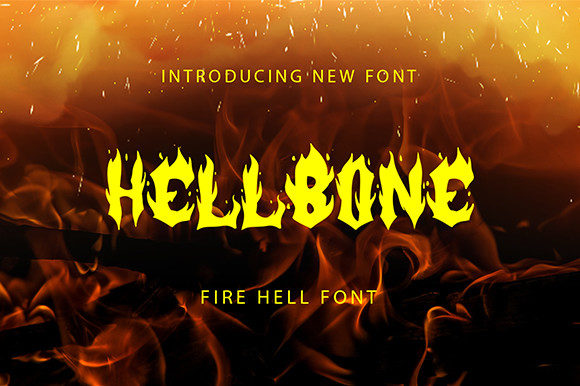
Unlike traditional fonts that prioritize readability above all else, Hellbone embraces imperfection and asymmetry. Its jagged edges, uneven strokes, and distorted shapes give it a raw, unsettling quality that is both captivating and unconventional. This makes it particularly well-suited for horror-themed designs, gothic branding, or any project that aims to evoke an atmosphere of unease.
The Purpose and Characteristics of Hellbone
Hellbone was created with a specific purpose in mind: to provide designers with a tool that can convey darkness, fear, and mystery. Its design is inspired by elements of horror, folklore, and the supernatural, drawing on visual cues that are instantly recognizable to those familiar with the genre. The font's irregular structure and unpredictable forms make it difficult to read at a glance, which is intentional. This characteristic forces the viewer to engage more deeply with the text, creating a stronger emotional impact.
One of the most striking features of Hellbone is its ability to evoke a sense of unease. The font's uneven lines and sharp angles create a feeling of instability, as if the letters themselves are struggling to maintain their form. This visual tension can be used effectively in various contexts, such as horror movie posters, haunted house signage, or even in digital art that explores themes of decay and abandonment.
Another notable aspect of Hellbone is its versatility. While it may seem limited to dark or horror-related applications, the font can also be used in more subtle ways. For example, it might be employed in a logo for a boutique that wants to convey a sense of exclusivity and mystery. Or it could be used in a book cover to suggest a story filled with suspense and danger.
Where Hellbone Can Be Used
Hellbone is not just for Halloween or horror-themed projects. Its unique style can be applied in a variety of creative fields. Graphic designers often use it to add a dramatic flair to posters, banners, or social media visuals. In the world of gaming, Hellbone can be used to create titles or character names that feel otherworldly and intense.
For businesses, Hellbone can serve as a bold statement piece. It might be used in a restaurant’s menu to suggest a dining experience that is both exotic and slightly dangerous. Or it could be part of a branding strategy for a new line of products that aim to stand out in a crowded market.
Writers and authors may also find value in Hellbone. It can be used in book covers, chapter headings, or even in the layout of a website that focuses on dark fiction or supernatural themes. The font adds a layer of visual storytelling that complements the written word.
- Horror movies and TV shows
- Gothic fashion brands
- Haunted attraction signage
- Dark fantasy literature
- Unconventional branding and logos
Strengths and Considerations When Using Hellbone
One of the main strengths of Hellbone is its ability to grab attention. In a world where most fonts are clean and predictable, Hellbone stands out. It can be a powerful tool for creating memorable visuals that leave a lasting impression. However, this same strength can also be a limitation. Because of its complexity, Hellbone may not be suitable for every project or audience.
Readability is a key consideration when using Hellbone. While it excels in creating mood and atmosphere, it may not be the best choice for body text or long passages of information. In such cases, it’s important to pair Hellbone with a more readable font to ensure that the message remains clear.
Another factor to consider is the context in which Hellbone is used. If the goal is to create a sense of fear or discomfort, then the font’s chaotic appearance is an asset. But if the intention is to communicate something serious or professional, Hellbone may not be the best fit. It’s essential to evaluate the tone and message of the project before deciding to use the font.
Additionally, Hellbone may not work well in all design software or platforms. Some programs may have difficulty rendering the font correctly, especially if it has custom glyphs or intricate details. Before incorporating Hellbone into a project, it’s wise to test it in the intended environment to ensure that it displays as expected.
Real-World Applications of Hellbone
Let’s look at some real-world examples where Hellbone has been successfully used. One popular application is in the design of album covers for metal or alternative music genres. The font’s dark and aggressive look aligns perfectly with the themes of many of these bands, helping to reinforce the music’s mood and message.
In the realm of online marketing, Hellbone has been used to create eye-catching headlines for websites that focus on dark themes, such as paranormal investigations or ghost hunting. These sites often rely on strong visual elements to attract visitors, and Hellbone contributes to that aesthetic by adding a sense of mystery and intrigue.
Another interesting use of Hellbone is in the creation of custom wedding invitations. While this may seem unexpected, some couples choose to incorporate the font into their designs to reflect a more unconventional or edgy theme. It can be paired with other dark or vintage-style fonts to create a unique and memorable look.
For independent artists and illustrators, Hellbone can be a valuable addition to their creative toolkit. It allows them to experiment with different styles and push the boundaries of traditional typography. By using Hellbone, they can create works that feel more personal and expressive, setting their art apart from the mainstream.
Evaluating the Suitability of Hellbone
If you’re considering using Hellbone in your next project, there are several factors to take into account. First, think about the message you want to convey. Does the font’s dark and chaotic nature align with the tone of your work? If so, then Hellbone could be a great fit. If not, it may be better to explore other options.
Next, consider your target audience. Will they respond positively to the font’s aesthetic? For example, if you’re designing a children’s book, Hellbone may not be the best choice. But if you’re creating content for a niche audience interested in horror or the occult, the font could resonate strongly.
Finally, test the font in different contexts. Try using it in a mock-up or prototype to see how it looks in practice. Pay attention to how it interacts with other design elements, such as colors, images, and layouts. This will help you determine whether Hellbone enhances or detracts from the overall design.
In conclusion, Hellbone is more than just a font—it’s a visual language that can bring a sense of darkness, mystery, and originality to any project. Whether you’re a designer, writer, or business owner, understanding how to use Hellbone effectively can open up new creative possibilities. With careful consideration and thoughtful application, Hellbone can become a powerful tool in your design arsenal.