Tabuti: A Modern Brush Calligraphy Font for Creative Projects
Tabuti is a modern brush calligraphy font that has gained popularity among designers, artists, and creatives looking for a unique and expressive typeface. With its elegant strokes and dynamic flow, Tabuti offers a fresh alternative to traditional fonts, making it ideal for a variety of design applications. Whether you're working on posters, logos, magazines, book covers, or banners, this font can add a touch of sophistication and personality to your work.
What Is Tabuti?
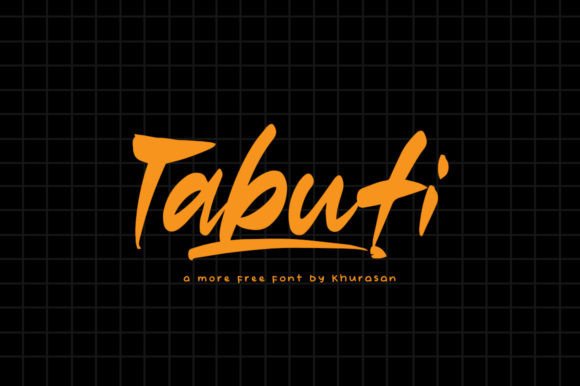
Tabuti is a hand-drawn brush calligraphy font that mimics the natural movement of a brush on paper. It features a fluid, organic style that gives it a personal and artistic feel. The font includes uppercase and lowercase letters, along with ligatures and alternate characters, allowing for greater flexibility in design. Its versatility makes it suitable for both digital and print projects, providing a visually appealing option for those who want to convey creativity and elegance.
Why Someone Might Be Interested in Tabuti
Designers and artists often seek fonts that stand out and add character to their work. Tabuti offers a distinctive look that can elevate the visual appeal of any project. Its brush-like texture gives it a handmade quality, which can be especially valuable for branding, editorial design, or personal projects where a unique aesthetic is desired. Additionally, because it's a free font, it provides an accessible option for those who want to experiment with different styles without financial commitment.
Benefits of Using Tabuti
- Elegant and Expressive: The brush stroke effect adds a sense of motion and artistry to text, making it ideal for creative projects.
- Versatile Application: Suitable for a wide range of design needs, including logos, posters, and book covers.
- Free to Use: Offers a cost-effective solution for designers looking to expand their font library.
- Customizable: Includes alternate characters and ligatures, allowing for more creative control in design.
Considerations and Tradeoffs
While Tabuti has many advantages, it may not be the best choice for every project. Its brush-like appearance may not fit well with more formal or minimalist designs. In such cases, a clean sans-serif or serif font might be more appropriate. Additionally, because it's a hand-drawn font, it may require careful spacing and kerning to ensure readability, especially at smaller sizes.
Another consideration is the availability of the font. While Tabuti is free, users should ensure they are downloading it from a reputable source to avoid potential issues with licensing or file integrity. It's also important to check the font's license agreement to understand any restrictions on commercial use.
Situations Where Tabuti Is a Strong Fit
Tabuti excels in projects that benefit from a personal and artistic touch. For example, it works well for:
- Branding and Logos: Adding a unique and memorable visual identity to a business or product.
- Editorial Design: Enhancing the aesthetics of magazines, newspapers, or other publications.
- Book Covers and Typography: Creating eye-catching titles that reflect the theme or mood of a book.
- Marketing Materials: Making posters, banners, or social media graphics more engaging and visually striking.
In these scenarios, the font's expressive nature can help convey emotion, creativity, and individuality, making it a strong choice for designers who want to make a statement.
Situations Where Alternatives May Be Worth Considering
For projects that require clarity, professionalism, or a more structured look, alternatives to Tabuti may be more suitable. Fonts like Helvetica, Arial, or Georgia offer a clean and readable appearance that works well in formal contexts. If a designer is aiming for a more modern or geometric style, fonts like Montserrat or Roboto could be better options.
Additionally, if a project requires a high level of customization or specific language support, other fonts may provide more flexibility. It's always a good idea to test multiple fonts in the context of a design to see which one best meets the project's goals and audience expectations.
Practical Decision-Making Insights
When deciding whether to use Tabuti, consider the following factors:
- Project Purpose: Does the design require a creative or artistic touch, or is a more straightforward approach needed?
- Audience Perception: Will the font resonate with the target audience or enhance the message being conveyed?
- Readability: Ensure that the font remains legible at different sizes and in various formats.
- Licensing and Availability: Verify that the font is available for the intended use and that the source is trustworthy.
By evaluating these aspects, designers can make informed decisions about whether Tabuti aligns with their creative goals and project requirements.
Conclusion
Tabuti is a versatile and expressive brush calligraphy font that can add a unique and artistic flair to a wide range of design projects. Its elegant strokes and dynamic flow make it an appealing choice for creatives looking to stand out. However, it's important to consider the context, audience, and practicality of using the font. By weighing its benefits against potential limitations, designers can determine whether Tabuti is the right fit for their needs. Whether used for branding, editorial work, or personal projects, Tabuti offers a compelling option for those who value creativity and visual expression.