Discover the Elegance of Hopster in Your Workflow
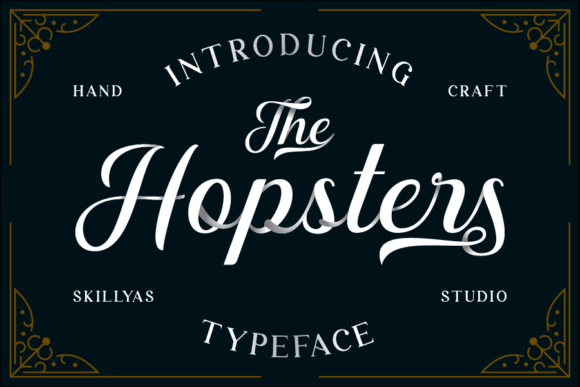
When it comes to typography, the right font can make all the difference in how a message is perceived. Hopster is a script font that stands out for its refined and elegant style, making it a valuable addition to any designer's toolkit. Whether you're working on a logo, branding project, or social media content, Hopster offers a unique blend of class and modernity that can elevate your designs.
Understanding Hopster and Its Role in Design Processes
Hopster is more than just a font; it's a tool that integrates seamlessly into various design workflows. Its PUA encoding allows for easy access to all glyphs and swashes, giving designers greater flexibility and control over their typography. This makes it particularly useful in projects where custom lettering or decorative elements are needed.
For professionals involved in branding, Hopster can be used to create distinctive logos that reflect a brand's personality. In the realm of invitations and stationery, it adds a touch of sophistication that can set a design apart from the competition. Additionally, its versatility makes it suitable for wedding designs, where elegance and personalization are key.
Integrating Hopster into Different Stages of a Project
The use of Hopster can span multiple stages of a project, from initial concept to final execution. During the planning phase, it can help visualize the tone and style of a design. When creating mockups or prototypes, Hopster can be applied to test different visual directions and ensure consistency across all materials.
During the implementation phase, Hopster's ease of use ensures that designers can quickly apply it to various elements without disrupting their workflow. For example, when designing social media posts, Hopster can be used to create eye-catching headlines that stand out in a crowded feed. Its ability to convey a sense of refinement makes it ideal for content that aims to engage and impress an audience.
Workflow Examples with Hopster
Consider a scenario where a small business owner is launching a new product line. They might start by sketching out ideas and deciding on a brand identity. At this stage, Hopster could be used to draft potential logos and taglines, helping to establish a visual direction. Once the concept is solidified, they can move on to creating marketing materials, such as brochures and social media graphics, where Hopster adds a polished look.
Another example involves a freelance designer working on a client's wedding invitation. The designer might begin by selecting a font that aligns with the couple's vision. Hopster's elegant script would be an excellent choice, allowing for customization through its swashes and glyphs. As the design progresses, the designer can experiment with different layouts and color schemes, using Hopster to maintain a cohesive aesthetic throughout the piece.
Compatibility and Usability Considerations
When incorporating Hopster into a workflow, it's important to consider compatibility with other tools and platforms. Most design software, including Adobe Creative Suite and Figma, supports PUA-encoded fonts, making it straightforward to use Hopster in a variety of environments. This compatibility ensures that designers can work efficiently without encountering technical barriers.
Usability is another factor to consider. Hopster's clear and legible design makes it suitable for both digital and print applications. Whether it's used in a digital newsletter or a printed brochure, the font maintains its quality and readability. This consistency is crucial for maintaining a professional appearance across different mediums.
Practical Implementation Tips
To get the most out of Hopster, it's essential to plan its use within your workflow. Start by identifying where the font will be applied, whether it's for headings, body text, or decorative elements. This planning helps ensure that the font is used effectively and doesn't overshadow other design elements.
Another tip is to experiment with different sizes and weights. While Hopster is a script font, adjusting its size can affect how it's perceived in a design. Larger sizes may be more appropriate for headlines, while smaller sizes can be used for subtle accents. Testing these variations can help achieve the desired visual impact.
Long-Term Use and Maintenance
As with any design asset, maintaining the quality and relevance of Hopster is important. Regularly reviewing how it's used in projects can help identify areas for improvement or adaptation. For instance, if a particular design element isn't resonating with the target audience, considering alternative uses of Hopster might be beneficial.
Additionally, keeping track of updates or new versions of the font can ensure that it remains compatible with evolving design trends and technologies. This proactive approach helps maintain the effectiveness of Hopster in a dynamic design landscape.
Conclusion: Elevate Your Designs with Hopster
Hopster is a versatile and elegant script font that can enhance a wide range of design projects. Its PUA encoding and availability of glyphs and swashes make it a practical choice for designers looking to add a touch of sophistication to their work. By integrating Hopster into different stages of a project, from planning to execution, professionals can achieve a cohesive and visually appealing outcome.
Whether you're working on branding, invitations, or social media content, Hopster offers a refined look that can set your designs apart. With careful planning and thoughtful implementation, it can become an essential part of your creative process, helping you deliver high-quality results that meet your goals and exceed expectations.