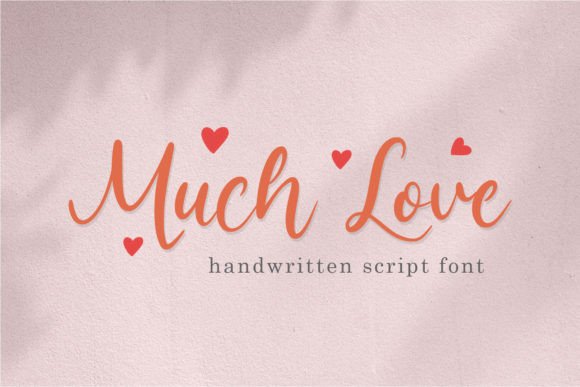
Muchlove: A Handwritten Script Font That Elevates Your Design Projects
If you're looking for a font that brings warmth, personality, and creativity to your designs, Muchlove is the perfect choice. This handwritten script font has become a favorite among designers, entrepreneurs, and content creators who want to add a unique touch to their work. Whether you're designing product packaging, branding materials, social media posts, or wedding invitations, Muchlove offers a versatile and expressive style that stands out.
But while Muchlove may seem simple at first glance, there are several factors to consider before using it effectively. Understanding these nuances can help you avoid common pitfalls and ensure your designs look professional and polished.
What Is Muchlove and Why It Matters
Muchlove is more than just a font—it's a design tool that adds character to any project. Its flowing, cursive style mimics natural handwriting, making it ideal for projects that require a personal, authentic feel. Unlike rigid, geometric fonts, Muchlove feels more human, which can make your message more relatable and engaging.
Designers often choose Muchlove for its ability to convey emotion and creativity. It works well in both digital and print formats, making it a valuable addition to any designer's toolkit. However, its casual appearance can sometimes lead to misuse, especially if not applied thoughtfully.
Common Mistakes When Using Muchlove
One of the most frequent mistakes is overusing Muchlove. While it’s tempting to apply it everywhere, doing so can make your design look cluttered and unprofessional. For example, using it in large blocks of text on a website or in a long document can reduce readability and confuse your audience.
Another mistake is ignoring the context of the project. Muchlove may be perfect for a wedding invitation or a social media post, but it might not suit a corporate report or a technical manual. Choosing the right font for the right purpose is essential to maintaining clarity and professionalism.
Some users also overlook the importance of font size and spacing. Because Muchlove has a flowing, connected style, it can appear smaller than other fonts at the same size. Adjusting the font size and line spacing accordingly ensures your text remains legible and visually balanced.
How These Mistakes Can Affect Your Work
Overusing Muchlove can lead to poor readability, which can negatively impact how your audience interacts with your content. If your message isn’t clear, your design fails to communicate effectively. Similarly, using it in an inappropriate context can undermine your brand’s credibility, especially if the font doesn’t match the tone of your project.
Ignoring font sizing and spacing can result in a messy layout that distracts from your message. Inconsistent spacing or incorrect sizing can make your design look unpolished and unprofessional, which can hurt your overall presentation.
Practical Tips for Using Muchlove Effectively
To get the most out of Muchlove, start by using it selectively. Apply it to headlines, logos, or short phrases where it can shine without overwhelming the reader. For example, use it for a tagline on a business card or a title on a social media graphic. This approach allows the font to stand out while keeping the rest of your design clean and readable.
Consider pairing Muchlove with a complementary font. A modern sans-serif font like Arial or Helvetica can balance the elegance of Muchlove and create a more dynamic visual hierarchy. This combination helps maintain professionalism while still allowing the handwritten style to add character.
Always test your design in different formats. Print a sample to see how Muchlove looks on paper, and check how it appears on screens of various sizes. This step ensures that your design remains consistent and effective across all platforms.
What to Check Before Using Muchlove
Before downloading or purchasing Muchlove, verify that it includes all the necessary language support. Some fonts may not have characters for certain languages or special symbols, which can limit their usefulness. Check the font’s license to ensure it’s suitable for your intended use, whether it’s personal, commercial, or for resale.
Also, consider the file format. Many fonts come in multiple formats, such as OTF (OpenType) or TTF (TrueType). Choose the format that works best with your design software. For example, OTF is often preferred for its advanced typographic features, while TTF is widely compatible with most programs.
Realistic Examples and Better Approaches
Imagine you’re designing a wedding invitation. Using Muchlove for the couple’s names and the event details adds a personal, elegant touch. However, if you use it for the entire invitation, the text may become hard to read. A better approach is to use Muchlove for key elements and pair it with a simpler font for the rest of the information.
Another example is a social media campaign. Muchlove can be used for captions or hashtags to catch attention, but it should not be the main font for lengthy text. Instead, use it for eye-catching headlines or call-to-action buttons to draw engagement without sacrificing readability.
Final Thoughts on Making the Right Choice
Muchlove is a powerful tool when used correctly, but it requires thoughtful application to achieve the best results. By understanding its strengths and limitations, you can avoid common mistakes and create designs that are both beautiful and functional.
Take the time to experiment with different styles, pair it with complementary fonts, and test your designs in real-world scenarios. With a little care and attention, Muchlove can elevate your work and help you stand out in a competitive design landscape.