Fuschia: A Versatile and Elegant Sans Serif Font for Modern Design
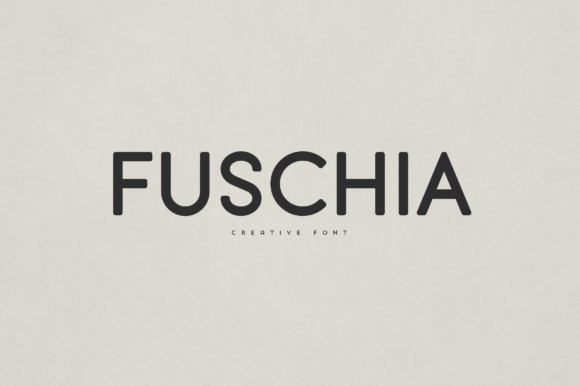
Fuschia is a sleek, modern sans serif font that offers a distinctive blend of elegance and adaptability. Its clean lines and balanced proportions make it an excellent choice for a wide range of design applications. Whether used in logos, branding, headlines, or text overlays, Fuschia brings a refined aesthetic that can elevate any visual project.
Designed with both readability and style in mind, Fuschia stands out from more traditional typefaces by offering a contemporary edge without sacrificing clarity. This makes it particularly well-suited for digital and print media where legibility is essential but visual impact is also important.
What Makes Fuschia Distinct?
Fuschia’s unique character lies in its subtle variations in stroke weight and the soft curves of its letterforms. These features give the font a sense of movement and fluidity, making it feel both modern and approachable. Unlike some other sans serifs that may appear too rigid or clinical, Fuschia strikes a balance between structure and personality.
The font also includes a variety of weights and styles, allowing designers to choose the right tone for their project. Whether a bold, attention-grabbing headline or a light, delicate body text, Fuschia adapts seamlessly. This versatility makes it a valuable addition to any designer’s toolkit.
Comparing Fuschia to Similar Fonts
When considering fonts like Fuschia, it’s helpful to compare them with others in the same category. Many sans serif fonts prioritize minimalism and neutrality, such as Helvetica or Arial. These are widely used for their simplicity and universal appeal, but they may lack the visual flair that Fuschia provides.
Fonts like Montserrat or Open Sans offer similar levels of readability and modernity, but they often lean toward a more neutral appearance. Fuschia, by contrast, introduces a subtle personality that can differentiate a design without being overwhelming. For projects that require a bit more character, Fuschia can be a compelling alternative.
On the other hand, if a project demands a more dramatic or decorative look, other fonts might be more appropriate. For example, a script font could add a sense of elegance or whimsy, while a slab serif might provide a stronger, more robust presence. In these cases, Fuschia may not be the best fit, but for many standard design needs, it offers a well-balanced solution.
Best Fit Situations for Fuschia
Fuschia excels in situations where a clean, modern look is desired but with a touch of individuality. It works well in branding projects, especially for businesses that want to convey professionalism while still standing out. Its versatility allows it to be used across different mediums, from digital interfaces to printed materials.
For home-ware designs, product packaging, or magazine headers, Fuschia can add a polished and cohesive feel. Its readability at various sizes makes it suitable for both large headlines and smaller text blocks. This makes it a practical choice for designers looking for a font that can handle multiple roles within a single project.
In addition, Fuschia is effective as a text overlay on background images. Its contrast and clarity ensure that the text remains legible even when placed over complex or colorful visuals. This makes it ideal for web design, social media content, or promotional materials where visual storytelling is key.
Limitations and Tradeoffs
While Fuschia is a strong option for many design scenarios, it may not be the best choice in every situation. For instance, in highly formal or traditional contexts, a more classic serif font might be more appropriate. Similarly, if a project requires a very strong visual statement, a bolder or more stylized font could be more impactful.
Another consideration is the availability of Fuschia in different languages and character sets. While it supports most common Latin characters, designers working with non-Latin scripts should verify compatibility before using it in multilingual projects. This is a common limitation among many modern sans serif fonts, but it’s worth noting for international design work.
Additionally, because Fuschia has a relatively neutral appearance, it may not be the best choice for projects that require a highly distinctive or unconventional look. In such cases, other fonts with more unique characteristics may be more suitable.
When to Choose Fuschia Over Alternatives
Fuschia is a good choice when the goal is to achieve a clean, professional look with a subtle level of distinction. It’s particularly useful for brands that want to maintain a modern identity without appearing too generic. Its adaptability across different design formats also makes it a practical option for multi-platform projects.
Compared to other sans serifs, Fuschia offers a middle ground between simplicity and character. If a designer is looking for something that isn’t overly basic but still maintains a high level of readability, Fuschia can be an excellent option. It’s also a solid choice for those who want to avoid the more common fonts that are frequently used across industries.
However, if the primary goal is to create a strong visual identity or to stand out in a crowded market, other fonts with more distinctive traits may be more effective. The decision ultimately depends on the specific needs of the project and the intended audience.
Practical Examples of Fuschia in Use
Consider a small business launching a new line of eco-friendly home products. Using Fuschia for the brand’s logo and packaging could help communicate a sense of modernity and sustainability. Its clean lines and balanced proportions would align with the product’s eco-conscious message while maintaining a professional appearance.
Another example could be a lifestyle magazine looking for a fresh, updated header font. Fuschia could provide a contemporary yet readable option that complements the magazine’s overall aesthetic. It would work well alongside other design elements without overpowering them.
In a digital marketing campaign, Fuschia could serve as the primary font for headlines and call-to-action buttons. Its clarity and visual appeal would help draw attention while maintaining a polished look that resonates with the target audience.
Conclusion: Is Fuschia Right for Your Project?
Fuschia is a versatile and elegant font that can enhance a wide range of design projects. Its combination of readability, style, and adaptability makes it a practical choice for many designers. However, like any tool, it’s important to consider how well it fits the specific needs of a given project.
By understanding its strengths and limitations, designers can make informed decisions about when to use Fuschia and when to explore other options. Whether for branding, publishing, or digital design, Fuschia offers a reliable and stylish solution that can help bring a vision to life.