Schoonheid: A Timeless Gothic Typeface for Modern Design
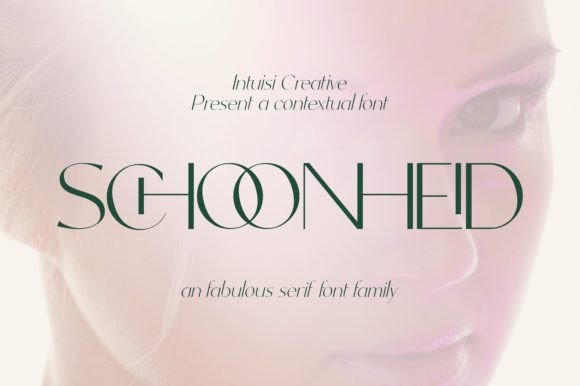
In a world where digital design and typography play a crucial role in communication, the right font can make all the difference. Schoonheid is more than just a typeface; it's a bridge between the past and present, offering a unique blend of historical inspiration and modern usability. Rooted in the thick-and-thin Gothic typefaces that were popular in the United States during the first half of the 20th century, Schoonheid brings a vintage aesthetic with contemporary functionality.
What Makes Schoonheid Unique?
Schoonheid stands out due to its rich set of typographic features. It includes ligatures, alternative characters, and special glyphs—all designed with uppercase letters in mind. These elements allow designers to create visually engaging text that feels both authentic and modern. The inclusion of these features ensures that the font remains versatile across different design applications, from branding to editorial work.
One of the key advantages of Schoonheid is its use of PUA (Private Use Area) encoding. This means that users have direct access to all the glyphs and swashes without needing additional software or complex workflows. For designers who value efficiency and ease of use, this is a significant benefit. It removes barriers that might otherwise hinder creativity or slow down the design process.
The Evolution of Gothic Typography
Gothic typefaces have a long history, dating back to the early 20th century when they were widely used in advertising, newspapers, and signage. Their bold, structured forms made them ideal for capturing attention and conveying authority. Over time, as design trends evolved, these fonts fell out of favor in some contexts. However, in recent years, there has been a resurgence of interest in vintage and handcrafted aesthetics.
This shift reflects broader changes in how people consume and interact with visual content. In an era dominated by sleek, minimalist designs, the raw energy and character of Gothic typefaces offer a refreshing contrast. Schoonheid taps into this trend by providing a modern interpretation of a classic style, making it relevant for today’s creative professionals.
Why Schoonheid Matters Today
For designers, marketers, and content creators, the choice of font is not just about aesthetics—it’s about communication. Schoonheid offers a way to convey a sense of nostalgia while maintaining a clean, professional look. Its versatility makes it suitable for a wide range of projects, from logos and packaging to web design and social media graphics.
Moreover, the font’s contextual alternatives and ligatures allow for greater flexibility in typography. These features enable users to create custom letterforms that match their specific design needs. Whether you're working on a high-impact headline or a detailed layout, Schoonheid provides the tools to elevate your work.
Practical Applications for Designers and Businesses
Businesses looking to stand out in a crowded market can benefit from using Schoonheid in their branding materials. Its distinctive style helps create a memorable identity that resonates with audiences. For example, a boutique coffee shop might use Schoonheid in its logo to evoke a sense of craftsmanship and tradition, while still appearing modern and approachable.
Similarly, educators and content creators can use Schoonheid to add visual interest to presentations, worksheets, or online courses. Its clear, legible structure ensures that text remains easy to read, even in smaller sizes. This makes it a valuable tool for anyone who needs to communicate information effectively.
Freelancers and independent artists also find value in Schoonheid’s accessibility. With PUA encoding, they can easily incorporate unique glyphs and swashes into their work without worrying about compatibility issues. This level of control allows for more creative freedom and a more personalized design experience.
Trends Shaping the Future of Typography
As technology continues to evolve, so do the ways in which we interact with typography. The rise of digital platforms, mobile devices, and AI-driven design tools has changed how fonts are used and perceived. However, the demand for human-centric, expressive typefaces like Schoonheid remains strong.
Designers are increasingly seeking fonts that offer both character and functionality. Schoonheid meets this need by combining historical inspiration with modern usability. Its ability to adapt to different contexts makes it a valuable asset in a rapidly changing design landscape.
Additionally, the growing emphasis on inclusivity and accessibility in design highlights the importance of fonts that are easy to use and adaptable. Schoonheid’s alternative features and PUA encoding support this goal by empowering users to customize their typography in meaningful ways.
Recommendations for Using Schoonheid
If you’re considering incorporating Schoonheid into your design workflow, start by experimenting with its various features. Try using different ligatures and alternative characters to see how they affect the overall look and feel of your text. This will help you understand the font’s full potential and how it can enhance your creative projects.
When using Schoonheid in professional settings, be mindful of the context. While its bold, stylized appearance works well for headlines and titles, it may not be the best choice for large blocks of body text. Always test the font in different sizes and formats to ensure readability and visual harmony.
Finally, take advantage of the font’s PUA encoding to explore its full range of glyphs and swashes. These elements can add a unique touch to your designs and help differentiate your work from others. By leveraging these features, you can create more dynamic and expressive typography that stands out in today’s competitive design environment.