Tempting: A Script Font That Elevates Every Design
In the world of typography, a well-chosen font can make all the difference. For those seeking a touch of elegance and sophistication, the Tempting script font stands out as a versatile and visually appealing option. With its intricate details and polished appearance, Tempting is more than just a font—it's a design tool that can transform any project into something truly remarkable.
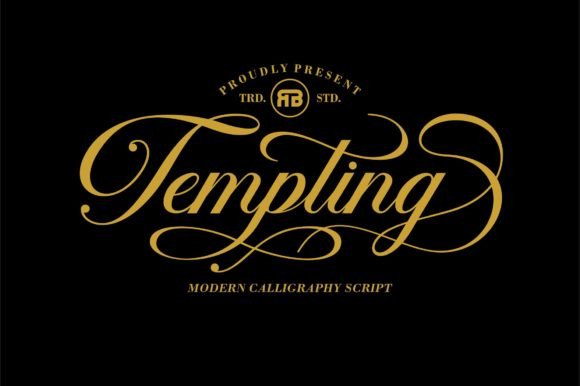
Designed with precision, Tempting combines the fluidity of cursive writing with the clarity of modern typography. Its smooth curves and balanced structure make it ideal for a wide range of applications, from branding to editorial design. Whether used in a headline, a logo, or a title, Tempting adds a sense of refinement and artistry that other fonts may lack.
The Characteristics of Tempting
One of the most striking features of Tempting is its level of detail. Each letter is meticulously crafted, ensuring that every stroke and curve contributes to a cohesive and aesthetically pleasing design. This attention to detail makes Tempting particularly well-suited for projects that require a high degree of visual appeal.
Another notable characteristic is its readability. Despite its ornate style, Tempting remains legible even at smaller sizes. This makes it a practical choice for a variety of uses, including web design, print materials, and digital media. The font’s structure allows for clear communication without sacrificing style.
Tempting also offers a range of stylistic variations, including different weights and alternate glyphs. These options allow designers to customize their work while maintaining a consistent look and feel. The font’s PUA encoding ensures that users have full access to all these features without the need for additional software or plugins.
Practical Applications of Tempting
The versatility of Tempting makes it suitable for a wide array of design projects. In the realm of branding, for example, this font can be used to create unique logos that stand out in a competitive market. Its elegant appearance helps convey a sense of luxury and professionalism, making it an excellent choice for high-end brands.
In editorial design, Tempting can be used to add a touch of sophistication to headlines, captions, and other text elements. When paired with simpler typefaces, it creates a visual contrast that draws the reader’s attention while maintaining readability. This balance between style and functionality is one of the reasons why Tempting is so widely appreciated by designers.
For digital content creators, Tempting can enhance the visual appeal of websites, social media posts, and email newsletters. Its flowing lines and graceful curves give a sense of movement and energy, making it ideal for projects that aim to engage and inspire audiences. When used thoughtfully, Tempting can elevate the overall aesthetic of a digital platform.
Advantages of Using Tempting
One of the key advantages of Tempting is its adaptability. Unlike some fonts that are limited in their use cases, Tempting can be applied across multiple formats and mediums. Whether designing for print or digital platforms, this font maintains its quality and visual impact.
Another benefit is its ease of use. With PUA encoding, users can access all of the font’s glyphs and swashes without encountering technical limitations. This makes it easier for designers to experiment with different styles and incorporate custom elements into their work.
Tempting also offers a sense of uniqueness. In a world where many fonts are used repeatedly, this script font provides a fresh and distinctive alternative. Its distinct character helps differentiate a design from others, making it a valuable asset for anyone looking to create something truly original.
Considerations for Using Tempting
While Tempting is highly versatile, it is important to consider its suitability for different contexts. In some cases, its elaborate style may not be appropriate for large blocks of text. For body copy, a more straightforward typeface may be better suited to ensure readability and accessibility.
Designers should also take into account the target audience when using Tempting. While it works well for professional and artistic projects, it may not be the best choice for more casual or informal designs. Understanding the tone and message of a project is essential when selecting a font like Tempting.
Additionally, it is important to test Tempting in different environments to ensure that it displays correctly. Factors such as screen resolution, font rendering, and operating system compatibility can affect how the font appears. By conducting thorough testing, designers can avoid potential issues and ensure a consistent visual experience.
Exploring the Potential of Tempting
As design trends continue to evolve, the demand for unique and expressive fonts like Tempting is likely to grow. Its ability to combine beauty with functionality makes it a valuable resource for designers who want to push creative boundaries. Whether used in a simple logo or a complex layout, Tempting has the power to transform ordinary text into something extraordinary.
For educators and students, Tempting can serve as a useful tool for exploring the principles of typography. By studying its structure and application, learners can gain a deeper understanding of how fonts influence visual communication. This knowledge can be applied to a wide range of design disciplines, from graphic design to user interface development.
Business owners and entrepreneurs can also benefit from incorporating Tempting into their branding efforts. A well-designed logo or marketing material can help establish a strong brand identity and build trust with customers. By choosing a font that reflects the values and personality of a business, companies can create a more memorable and impactful presence in the marketplace.
Conclusion
Tempting is more than just a script font—it’s a powerful design element that can enhance the visual appeal of any project. Its detailed craftsmanship, readability, and adaptability make it a valuable addition to any designer’s toolkit. Whether used in branding, editorial design, or digital content, Tempting offers a unique blend of elegance and functionality that sets it apart from other fonts.
By understanding its characteristics, applications, and considerations, designers can make informed decisions about how to best utilize Tempting in their work. As the design landscape continues to change, fonts like Tempting will remain relevant for those who seek to create visually compelling and meaningful experiences.